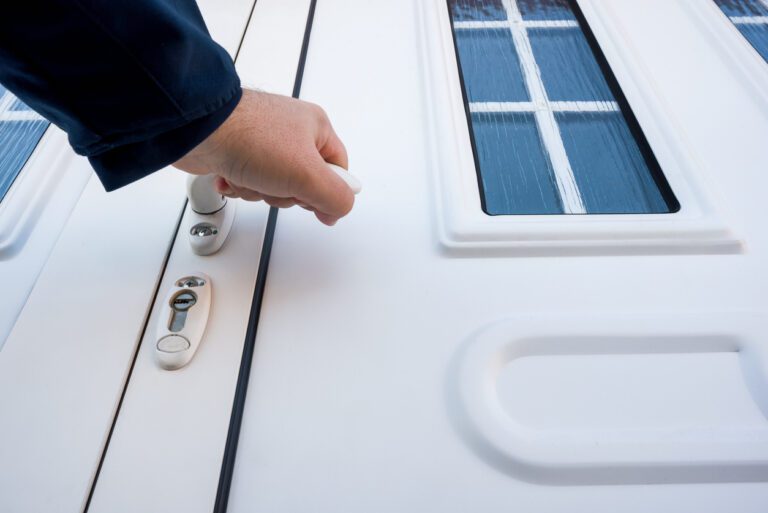
Have you ever put your hand on your uPVC door only to struggle to open it, only to think the lock is jammed? This is not as simple as you think. uPVC doors are durable and secure, and have locks which, indeed, can get into difficulties. A stalled uPVC door, whether through wear and tear, weather conditions or installation, is a true pain in the neck. uPVC Door Lock Repair services got you covered.
This guide will take a closer look at some of the most frequent problems, troubleshooting, and proper repair techniques that will help most people fix their door.
Common Issues with uPVC Door Locks
- Misalignment: Depending on the long-term effects of a change in temperature or settling of the building, the door can lose its alignment. Such an imbalance may cause a lack of an effective locking mechanism in place.
- Worn-out Lock Cylinder: The lock cylinder can often wear due to frequent use, and thus turning the key will be hard or even reaching to turn the lock can be challenging.
- Dirty or Damaged Mechanism: This is a situation that happens when dust, debris, and possibly obstructions can pile up in the lock, thus causing a jam. It also may rust, particularly where humidity is high.
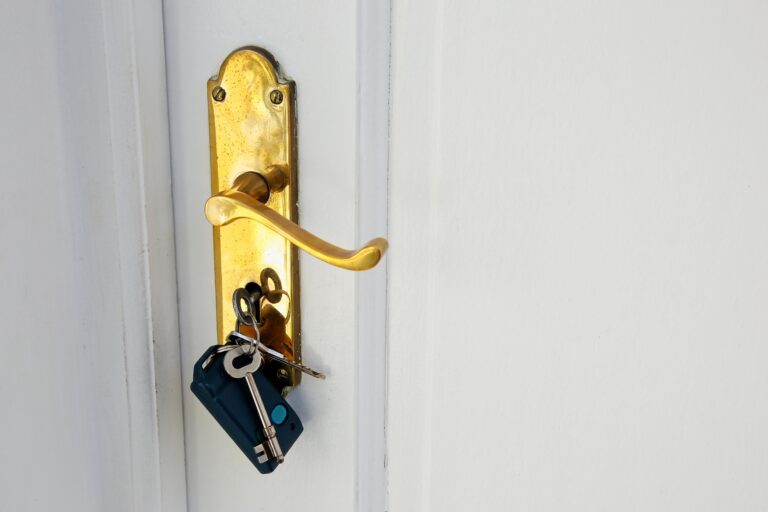
- Faulty Key: Sometimes, the keys themselves are a cause of the problem. A bent or worn key may not operate the lock effectively.
Troubleshooting Your uPVC Door Lock
When your uPVC doorway is locked, the following are some of the troubleshooting pieces of advice:
Step 1: Inspect the Key
Start the initial investigation by checking your keys to see whether they are damaged. In case it is dented or damaged, use an additional key. In case the new one works, the damaged key might have to be replaced.
Step 2: Check for Misalignment
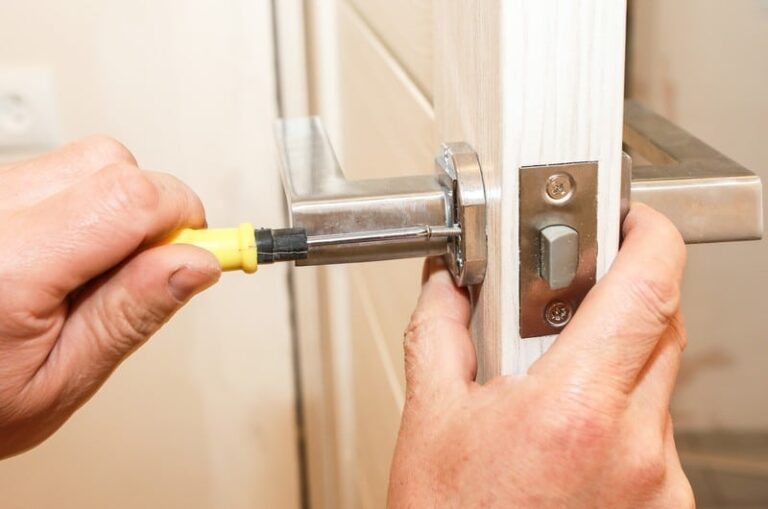
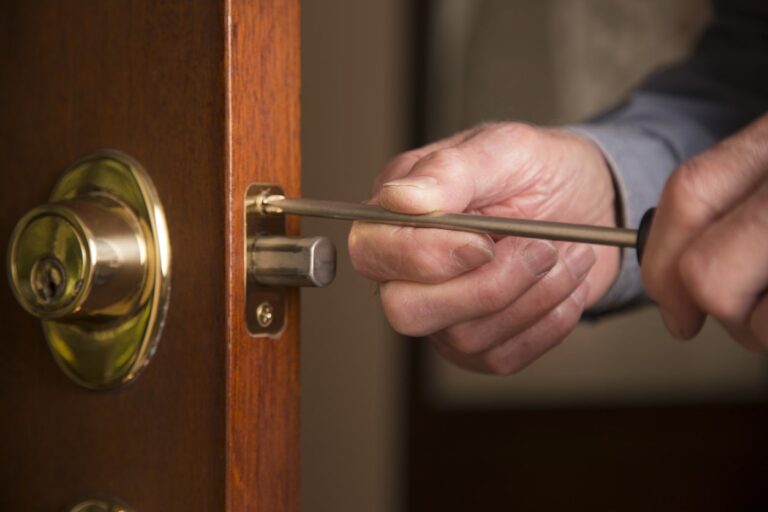
Just open up the door and make sure that everything is aligned with the frame. In case there are some gaps or sticking of the door, it may require adjustment. uPVC door mechanism services can tighten your hinges or, occasionally, correct the strike plate.
Step 3: Clean the Lock Mechanism
With a can of compressed air, blow off any dust or debris from the lock. Another way is to lubricate the keyhole with a graphite substance that will allow the mechanism to move with ease. Oil-based lubricants should be avoided because they will attract dirt.
Step 4: Test the Lock
After cleaning and lubricating, insert the key and give the lock a test. When it is still rigid or unresponsive, then it is a good idea to further consider additional help.
So, uPVC doors tend to stiffen, which can be annoying; however, by following some easy steps, one can effectively address the issue. Contact AdaptLocks and give these professionals a chance to prove themselves. Their expertise in the field gives you unparalleled services and never lets you down. Choose Upvc Door Lock Repair services, choose reliability. Your home’s security is worth it!